Door time: 6:00 PM
Event time: 6:30 PM
Supported by the Betsy Hitchcock Foundation
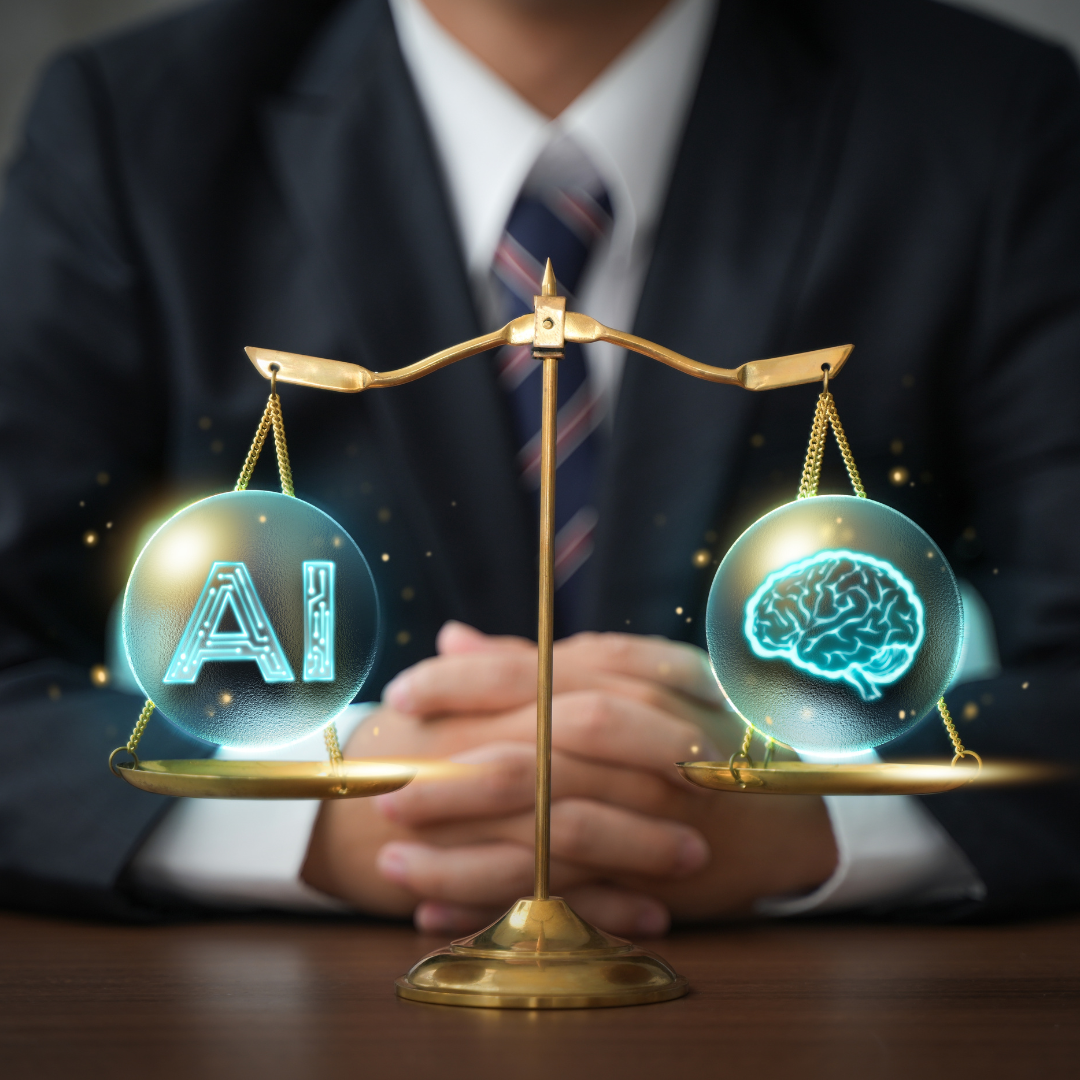
As artificial intelligence continues to reshape our world—from healthcare and education to hiring and surveillance—the ethical questions surrounding its use are more urgent than ever. How do we ensure AI is fair, transparent, and accountable? Who bears responsibility when algorithms make decisions that affect human lives?
Join us for “Ethics in the Age of AI,” an interactive evening of conversation and critical reflection. Hosted in the intimate setting of the Chautauqua Community House, this event features a moderated panel discussion with leaders from various fields.
What to expect:
- A guided conversation led by William Penuel, exploring real-world ethical dilemmas in AI development and deployment.
- Audience-driven Q&A
- A focus on practical, real-life scenarios, not just theory—so we move beyond buzzwords and into the real implications for our communities.
Whether you’re curious, concerned, or simply want to learn more, this is your chance to engage directly in one of the most important discussions of our time.
Moderator
William Penuel
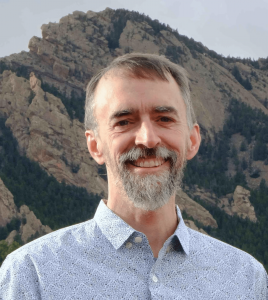
Dr. William Penuel designs and studies STEM curriculum, assessments, and professional learning, with a focus on science education. His research explores how contemplative practices, critical inquiry, and long-term research–practice partnerships support compassionate learning environments and address systemic inequities. Working closely with educators and education leaders, he focuses on equitable classroom cultures and whose knowledge is valued in schools. He is the author of two books on research–practice partnerships and co-editor of The Foundational Handbook on Improvement Research in Education.
Panelists
Blake Reid
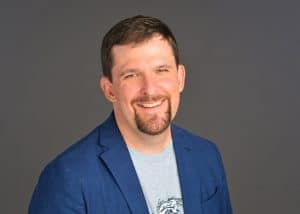
Blake Reid is an Associate Professor of Law at the University of Colorado Law School and Faculty Director of the Telecom and Platforms Initiative at the Silicon Flatirons Center. His research focuses on telecommunications, internet, copyright, and disability law, and his work has been published in leading law reviews including Stanford, California, and George Washington. From 2013–2023, he directed the Samuelson-Glushko Technology Law & Policy Clinic, representing clients before bodies such as the FCC, U.S. Supreme Court, Congress, and the World Intellectual Property Organization. He holds a J.D. from Colorado Law, an LL.M. from Georgetown Law, and a B.S. in Computer Science from the University of Colorado.
Kalonji Nzinga
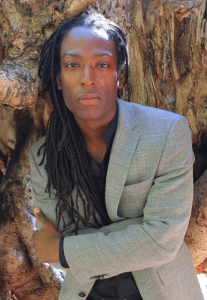
Dr. Kalonji Nzinga is a cultural psychologist, rapper, and educator whose work explores how culture, history, and community shape young people’s development. His research centers on culturally grounded learning environments that empower youth to resist oppression, heal intergenerational trauma, and engage in self-authorship through art—particularly within hip-hop communities across the U.S., West Bank, and West Africa. A hip-hop practitioner himself, he produces music rooted in Black ancestral legacies and Afrofuturist healing, and his work appears in leading academic journals. He is the Director of CU Boulder’s RAP Lab (Ritual Arts & Pedagogy).
Casey Fiesler

Casey Fiesler is an Associate Professor at the University of Colorado Boulder. She researches and teaches technology ethics, internet law and policy, and online communities. She is a Fellow with the Silicon Flatirons Institute for Law, Technology, and Entrepreneurship, an ATLAS Fellow, and holds a courtesy appointment in Computer Science. A frequent public speaker and commentator on technology ethics, policy, and women in STEM, she has also consulted with Mattel on computing-related Barbies. Her research on data science ethics, computing ethics education, and broadening participation in computing is supported by the National Science Foundation, Mozilla, and Omidyar Network. She holds a PhD from Georgia Tech in Human-Centered Computing and a JD from Vanderbilt University Law School.