
THE COLORADO CHAUTAUQUA
DISCOVER WHAT MATTERS
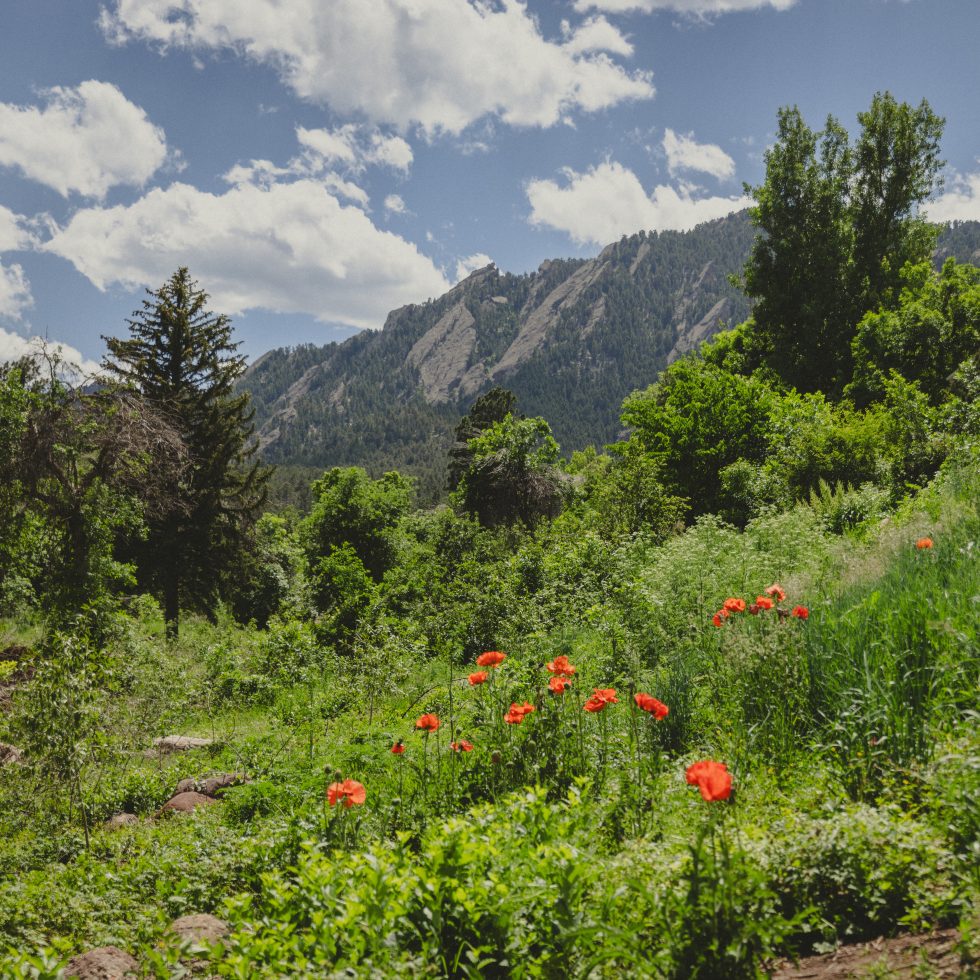
Well into its second century, the Colorado Chautauqua, a National Historic Landmark, remains committed to its historic purpose, offering outstanding cultural and educational programs and attracting more than a million visitors each year. Just minutes from downtown Boulder and the University of Colorado, the Colorado Chautauqua is nestled at the foot of the famous Flatirons mountains. Join us for lively events, all types of outdoor adventures, and a relaxing stay in one of our charming, private cottages or lodges. Don’t miss this uniquely Colorado experience!
HAPPENING AT CHAUTAUQUA

Cottages & Lodges
CHOOSE YOUR FAVORITE
The Colorado Chautauqua offers a charming assortment of historic cottages and lodge spaces, each with fully equipped kitchens, and most with private screened in porches. Come stay with us and enjoy the great outdoors with front door access to over 40 miles of open space hiking trails, year-round cultural programming, full-service Dining Hall, historic General Store, and the newly renovated children’s playground with its own mini-Flatirons mountain!
Concerts & Events
SOMETHING FOR EVERYONE
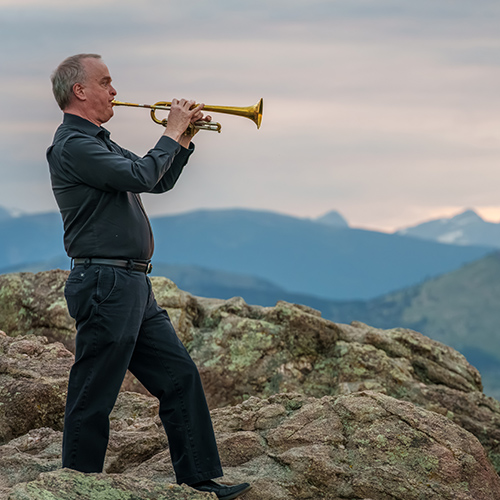
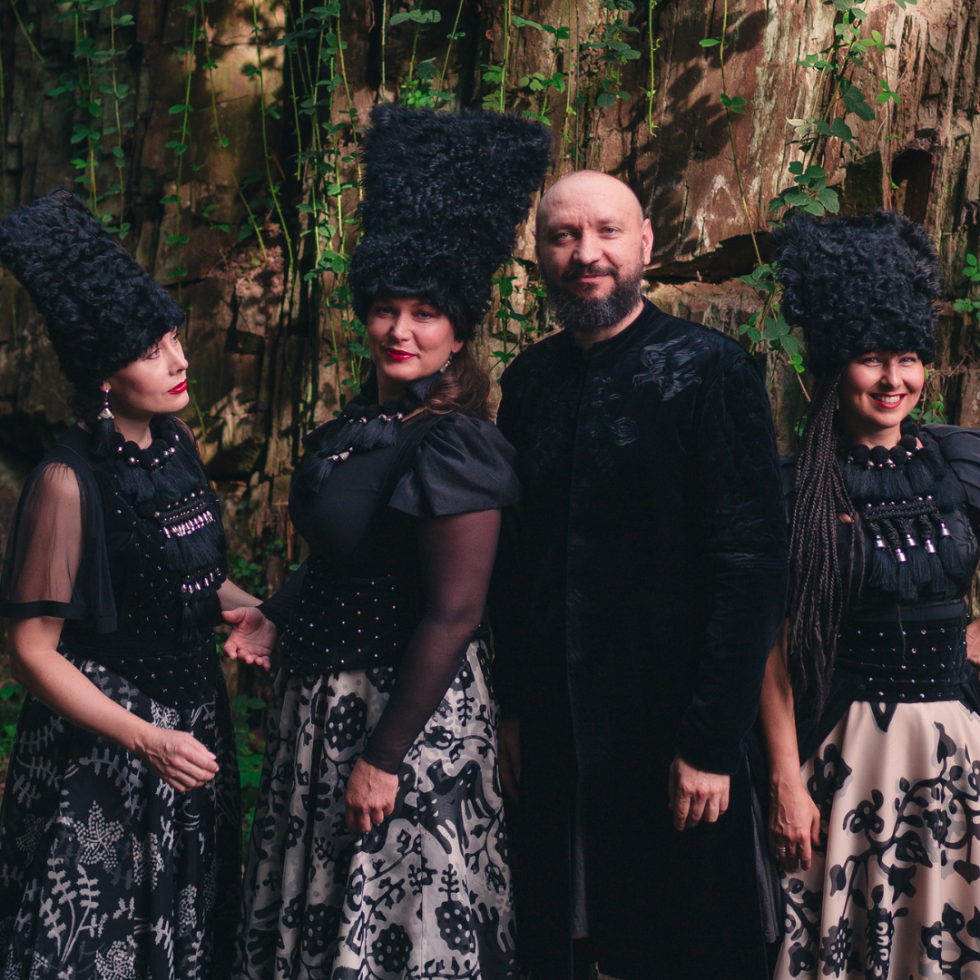
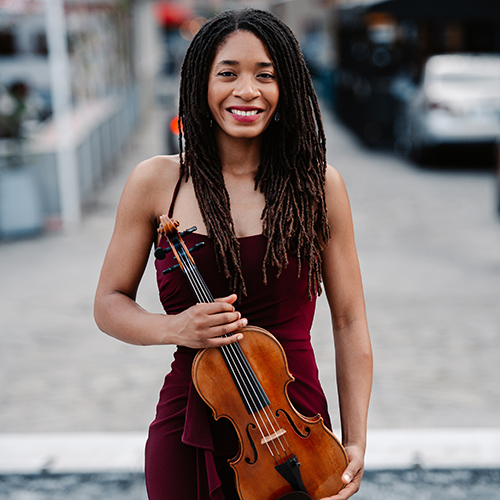
The Chautauqua Auditorium’s lofty, open architecture is from another era and its incredible acoustics keep the music real. For more than 120 years the Auditorium has welcomed a diverse array of music legends, including Wynton Marsalis, Lyle Lovett, Joan Baez, Amos Lee, Mary Chapin Carpenter, BB King, Ziggy Marley, the Indigo Girls, Keb’ Mo’ and many others. Add the best of classical music from the Colorado Music Festival, film festivals, dance extravaganzas, public art exhibits and distinguished speakers to the mix, and there is truly something for everyone at Chautauqua. During Colorado’s chillier months, the Community House is a favorite with audiences looking to experience concerts, films and lectures in a more intimate setting.
Transforming The Auditorium
HELP SHAPE CHAUTAUQUA’S FUTURE
For more than a century, the Historic Chautauqua Auditorium has been one of Colorado’s most beloved gathering places for music, ideas, arts, and community. Today, we are undertaking a major preservation and revitalization project to protect this iconic venue and prepare it for a new era. Critical investments in geothermal heating and cooling, accessibility, and infrastructure improvements will preserve the Auditorium’s historic character while enabling year-round use, including its role as a premier Sundance Film Festival screening venue. Your support will help ensure this beloved landmark remains a vibrant cultural gathering place for generations to come.
Meetings & Celebrations
A DAY TO REMEMBER
Chautauqua has long been one of the most popular wedding locations in the country and is increasingly the choice of many organizations for company meetings and retreats. Choose from a variety of indoor and outdoor venues and let our experienced staff work with you to select the perfect lodging, dining, and catering options for your meeting or celebration!
Dining & Catering
FINE FOOD, HOW YOU LIKE IT
The Chautauqua Dining Hall has been a Boulder favorite since 1898 and serves fresh, farm-to-table Colorado bistro cuisine for breakfast, lunch, and dinner. Guests looking for something quicker can stop in at the General Store and pick up an espresso or cold drink and fresh, organic snacks to go. Guests who prefer to dine in while staying in one of our cozy cottages can order online from the Dining Hall or have groceries delivered straight to their cottage.
The General Store and Chautauqua Cafe
JUST LIKE THE OLD DAYS
Visit the Chautauqua General Store, an adorable, recently restored cottage serving espresso, chai, ice cream, and locally produced teas. While you’re there, pick up fresh, organic “to go” snacks and drinks for your hike, a picnic lunch to have on the Green, or a gift to take back home! You can now enjoy your General Store coffee and food, meet up with friends, listen to local singer-songwriters or take in the stunning Foothills views from the tented Chautauqua Cafe – a sustainable reconstruction of a 1899-1905 structure on the very same spot. You can even buy Chautauqua merchandise when you return home from our online store.
Explore everything Chautauqua offers.

Cottages & Lodges
The Colorado Chautauqua offers a variety of lodging options, each with fully equipped kitchens and most with private screened in porches. Enjoy a relaxing stay, along with year-round cultural programming, a full-service Dining Hall, and unlimited outdoor recreational opportunities!

Concerts & Events
For 125 years, the Colorado Chautauqua has offered the best in arts, culture, education and entertainment. Known worldwide for its outstanding acoustics, our historic Auditorium hosts a Summer Concert Series, the Colorado Music Festival, and many other unforgettable events!

Dining & Catering
Savor spectacular views from the historic Dining Hall’s enchanting wraparound porch while enjoying fresh, Colorado bistro cuisine, or order online and enjoy your meal in your cozy cottage. Catering is also available for your special event!

The General Store
Stop by the newly restored General Store for an espresso drink, chai, ice cream, or snack. While you are there, pick up a Chautauqua t-shirt or locally made gift to remember us by!

Meetings
Nature is the best accelerator! Bring your team, breathe the fresh mountain air and watch as nature inspires fresh thinking and innovative ideas that go home with you. Stay together in one of our lodges and have delicious meals catered that you will remember long after your meeting!

Weddings & Celebrations
Say “I do” or host your social event in Boulder’s most scenic setting! Choose an indoor or outdoor venue and our friendly event planners will help you create an event you will never forget!

Outdoor Activities
Step out your cottage door onto 40 miles of pristine hiking trails. After your hike, play a game of frisbee, tennis, pickleball, or pickup. Want more excitement? Ask us about climbing, tubing, rafting, horseback riding or anything else you can imagine!

Sustainability
The Colorado Chautauqua is committed to becoming the most sustainably operated National Historic Landmark. We continually explore strategies to conserve water and energy, divert waste from landfills, and utilize earth-friendly products – all while preserving the comfort and enjoyment of our guests.

Pets
Save the cost of boarding your dog and bring your four-legged friend to Chautauqua, otherwise known as “dog heaven.” For your convenience, Chautauqua has both pet-friendly and pet-free accommodations.
 Give Us a Call
 Get Directions
 Send Us a Message

The Colorado Chautauqua | 900 Baseline Road, Boulder, CO 80302 | 303.442.3282
© Copyright 2021. Colorado Chautauqua Association. All rights reserved.
Registered 501(c)(3). EIN: 84-0447931
Privacy Policy | Terms of Use | Home